Children Mirror Their Parents: How to Foster Positive Behaviors and Break Negative Cycles
Introduction: Your Child’s First Role Model Is You
As a parent, one of the most profound truths you’ll face is that children learn more from what they observe than from what they’re told. Whether it’s through actions, words, or even how we respond to challenges, children are keen observers, constantly absorbing and mirroring the behaviors and emotions of their caregivers. The concept that children reflect their parents’ behaviors is well-documented in psychology, with research showing that kids are shaped significantly by the environment they grow up in—especially by the adults they trust most. From emotional responses to problem-solving methods, the way we handle stress, communication, and conflict will impact our children's development in powerful, lasting ways.
This is why parenting isn’t just about instructing your child on the right way to behave—it’s about modeling those behaviors yourself. The way you act, think, and feel will become the foundation of your child's emotional intelligence, social interactions, and personal growth. Parenting is as much about self-awareness and personal growth as it is about guiding your child. If you want your children to show kindness, patience, or resilience, the first step is to reflect those qualities in your own life. By doing so, you are not just teaching values—you are instilling them.
In this article, we’ll explore how your daily behaviors shape your child’s future, how to foster positive habits, and ways to break any negative cycles. It’s not always about being perfect; it’s about being present, aware, and intentional in how we lead by example. Understanding this dynamic can transform not only how you approach parenting, but also how your children will approach their own lives.
1. The Science Behind Mirroring: Why Kids Copy Their Parents
Children’s ability to mirror their parents' behavior is rooted in neuroscience and psychology, and understanding this science can empower parents to become more conscious of their actions. At the core of this process are mirror neurons, specialized cells in the brain that are activated both when we perform an action and when we observe someone else performing the same action. This means children’s brains are biologically wired to copy the behavior, emotions, and expressions of those around them, especially their primary caregivers.
Research suggests that mirror neurons are central to how children develop empathy, social skills, and even language. When children observe their parents expressing emotions like happiness, frustration, or love, these neurons fire in the same way they would if the child were experiencing those emotions themselves(STEP TO HEALTH). As a result, children not only learn how to express their feelings but also how to respond to others' emotions. This makes the role of a parent as a role model even more crucial.
Additionally, the process of observational learning extends beyond emotional behaviors. From physical actions like tying shoes or using polite gestures to more complex social behaviors like handling conflict, children are constantly absorbing lessons from their parents’ actions. This is why parental influence on child development is considered one of the most powerful factors in shaping a child’s behavior and worldview. When parents model positive behaviors such as patience, kindness, and resilience, children are more likely to adopt these behaviors themselves.
However, the opposite is also true. If a parent frequently expresses anger, impatience, or avoidance in difficult situations, children are likely to mirror these negative behaviors. In fact, studies have shown that children who grow up in environments where negative behaviors like aggression or emotional neglect are prevalent may struggle with emotional regulation and social interactions later in life(CITY DADS GROUP).
Understanding the science behind mirroring gives parents an incredible tool to shape their children's emotional and social development. By becoming more aware of their actions, parents can intentionally model the behaviors they want to see in their children, laying the foundation for healthy, positive relationships and emotional intelligence.
2. Everyday Habits: The Good, the Bad, and the Teachable
Children are like sponges—they absorb the everyday habits they see in their parents. These habits, whether positive or negative, play a significant role in shaping their personalities, routines, and decision-making skills. Understanding how your actions influence your child’s behavior is the key to conscious parenting.
The Good Habits They Mirror
When you consistently practice healthy and positive habits, your child is likely to adopt them too.
Healthy Lifestyle Choices: Regular exercise, balanced meals, and good sleep routines teach kids the importance of taking care of their bodies.
Time Management: Being punctual and organized demonstrates the value of planning and discipline.
Positive Communication: Speaking kindly, showing patience, and resolving conflicts calmly helps children learn how to interact respectfully with others.
Example: If your child sees you choosing a book over scrolling on your phone, they’ll understand the value of reading and reducing screen time.
The Bad Habits They Mimic
Children don’t just copy the good—they also reflect the not-so-great habits they observe.
Stress Responses: If you react to stress with anger or avoidance, your child might adopt similar coping mechanisms.
Poor Eating Habits: Regular fast food consumption or skipping meals can teach kids unhealthy dietary practices.
Negative Communication: Frequent arguments, shouting, or dismissiveness can lead to your child mirroring similar behaviors.
Example: If you’re glued to your phone during family meals, your child might develop the habit of prioritizing devices over personal connections.
The Teachable Moments in Everyday Habits
Everyday routines offer countless teachable moments where you can guide your child toward positive behaviors.
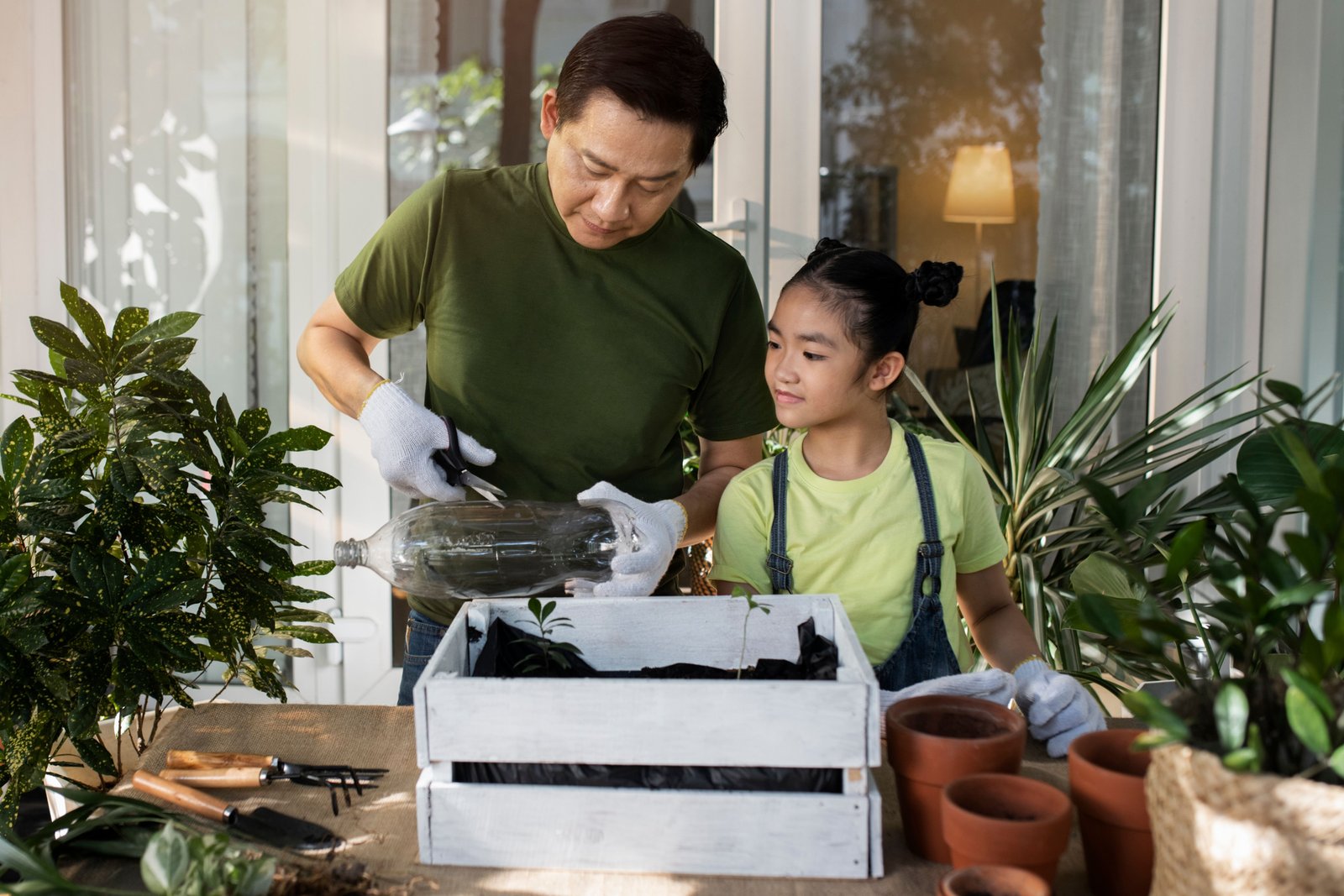
Chores and Responsibility: Involving kids in daily tasks like cooking, cleaning, or gardening teaches accountability and teamwork.
Financial Awareness: Explaining budgeting or saving while shopping instills money management skills.
Embracing Failures: Sharing how you handle setbacks shows them that mistakes are opportunities for growth.
Example: Turn grocery shopping into a lesson on budgeting by explaining why you choose certain items, helping your child understand financial responsibility.
Why Everyday Habits Matter
Children learn more from what they see than what they’re told. By being mindful of your daily actions, you can create an environment where good habits flourish, bad habits diminish, and every moment becomes a chance to teach valuable life skills.
3. Emotional Intelligence Starts at Home
Emotional intelligence (EQ) is the ability to recognize, understand, and manage our own emotions while also recognizing and influencing the emotions of others. It’s a skill that plays a significant role in everything from our personal relationships to our professional success. The good news? Emotional intelligence starts at home—and parents are the first teachers.
Why is emotional intelligence so important?
Children who grow up with high emotional intelligence tend to be more resilient, empathetic, and successful in their social interactions. They’re better at handling stress, solving problems, and developing positive relationships with peers and adults. And as a parent, you are the first and most significant influence on how your child develops emotional intelligence.
But here’s the catch: children learn by example. This means that if you want your child to manage their emotions effectively, you need to show them how it’s done. Research shows that when parents model emotional regulation—like staying calm during a stressful situation or expressing feelings in a healthy way—children are more likely to adopt similar behaviors themselves. By demonstrating self-awareness and emotional control, parents teach their kids that emotions are natural, but managing them thoughtfully is a skill that can be developed.
For example, when you express empathy towards others, your child will learn how to understand and respond to people’s feelings. When you show patience—whether it's waiting in line or handling a difficult situation—your child sees how to navigate life’s challenges without becoming overwhelmed. In these moments, you are teaching your child how to develop emotional intelligence.
How can parents nurture emotional intelligence at home?
Model Emotional Regulation: Children mirror the way we manage emotions. If you get frustrated easily or react impulsively, your child will likely do the same. Instead, practice techniques like deep breathing or pausing before reacting to stressful situations.
Encourage Open Communication: Create a safe environment where your child feels comfortable expressing their feelings. Teach them to put emotions into words like "I’m feeling sad" or "I’m frustrated" instead of bottling them up.
Empathy and Validation: Show empathy by acknowledging your child’s emotions. For example, if your child is upset, you can say, "I see you're feeling sad. It’s okay to feel that way." This validates their emotions and helps them understand their feelings better.
Why does this matter?
According to emotional intelligence experts like Daniel Goleman, parenting plays a crucial role in shaping a child’s emotional development (CITY DADS GROUP). A child who grows up with a parent who demonstrates emotional intelligence is more likely to have a strong sense of self and be able to navigate life’s ups and downs with ease.
By modeling emotional intelligence, parents not only help their children understand and express their feelings but also give them the tools to build positive relationships, handle challenges with resilience, and thrive emotionally. Ultimately, emotional intelligence is one of the most important skills your child will carry throughout their life, and it all begins with you.
4. Practical Tools for Conscious Parenting
Parenting consciously means being aware of how your actions, words, and behaviors shape your child’s growth. While this can feel overwhelming at times, there are simple, practical tools to help you become a more intentional and mindful parent. These strategies not only improve your parenting skills but also strengthen your bond with your child.
I. Daily Reflection Questions
Start or end your day by asking yourself simple reflection questions like:
• What example did I set for my child today?
• How did I handle stress in front of my child?
This habit helps you evaluate and adjust your behavior, ensuring you model positive actions that your child can mirror.
II. Behavioral Tracking
Keep a journal or use an app to track your own behavior patterns and interactions with your child. Pay attention to moments of stress or frustration and how you respond. This allows you to identify patterns that need improvement, such as reacting with anger instead of patience. Over time, you can replace negative habits with healthier responses.
III. Role-Playing Scenarios
Use role-playing to teach your child important skills like conflict resolution and empathy. For example, if your child struggles with sharing, act out a situation together where one person asks to borrow a toy. By showing them how to handle these scenarios kindly and fairly, you’re helping them learn through example.
IV. Positive Reinforcement Charts
Encourage both yourself and your child with positive reinforcement. Create a chart to celebrate small wins—for your child, it could be completing homework on time; for you, it could be staying calm during a tantrum. Rewards don’t always have to be material; sometimes, acknowledgment and praise are enough to reinforce good habits.
V. Practicing Mindfulness Together
Mindfulness isn’t just for adults—it’s a great tool for kids, too. Spend a few minutes each day practicing mindfulness with your child. This could involve deep breathing, meditation, or simply sitting quietly and naming things you’re grateful for. Mindfulness helps both of you stay calm and focused, especially during stressful situations.
VI. Clear Communication Techniques
Children thrive on clarity. Instead of vague instructions like “Be good,” use specific language such as, “Please help your brother clean up the toys.” This teaches your child exactly what is expected and reduces misunderstandings. Also, practice active listening—give your child your full attention when they speak and repeat back what you hear to show understanding.
VII. Digital Tools for Parenting Support
Explore apps and online tools designed to help parents manage stress, set goals, and track progress. Apps like “Headspace for Parents” or “Parenting Hero” provide guided meditations and real-world tips for handling tough parenting situations calmly and effectively.
Why These Tools Work
These tools help you stay consistent and intentional in your parenting approach. By making small, mindful adjustments every day, you create a more nurturing environment where your child feels supported and guided. More importantly, they help you manage your own emotions and reactions, ensuring you’re always leading by example.
5. Breaking Negative Cycles: Overcoming Generational Patterns
Every family carries patterns of behavior that can pass from one generation to the next—whether positive or negative. These generational cycles can include habits, emotional reactions, or even parenting styles. For example, if you grew up in a home where yelling was a common way to resolve conflicts, you might unconsciously adopt the same approach with your child. Breaking these negative cycles is crucial not only for your child’s well-being but also for creating a healthier family environment.
Understanding Generational Patterns
Generational patterns are learned behaviors passed down through observation. Children who grow up in an environment with specific habits or emotional dynamics—such as constant criticism, lack of affection, or conflict avoidance—often internalize these behaviors as normal. They carry them into adulthood, repeating them with their own children. This is why breaking unhealthy family cycles requires conscious effort and awareness.
For example, studies have shown that children who grow up in homes with unresolved anger or neglect often struggle with emotional regulation and trust in relationships as adults. Breaking these cycles is about replacing unhealthy behaviors with positive, intentional actions.
Steps to Break Negative Family Cycles
I. Identify the Patterns
The first step is to recognize the negative behaviors or habits you might have inherited. Ask yourself:
• What did I learn about conflict resolution as a child?
• How did my parents express love or handle stress?
• Are there behaviors I don’t want to pass on to my children?
This self-awareness helps you pinpoint areas that need change.
II. Practice Self-Regulation
Children mimic how you handle stress or conflict. If you notice yourself reacting with frustration or impatience, pause and take a deep breath. Practicing mindfulness or stress-management techniques can help you stay calm and model healthier responses for your child.
III. Introduce Positive Communication
Replace old habits of criticism or blame with constructive communication. For example, instead of saying, “Why can’t you do anything right?” try, “Let’s figure out how to do this together.” This fosters trust and teaches children the value of kindness and collaboration.
IV. Seek Professional Support if Needed
Sometimes, breaking generational cycles requires outside help. Therapy or counseling can provide tools to address deeply ingrained patterns and offer strategies for replacing them with healthier behaviors. Family therapy can also help address dynamics that affect your household.
V. Teach and Model Forgiveness
Forgiveness is a powerful way to heal past wounds and move forward. If you grew up in a home where grudges or blame were common, show your child the value of forgiveness by practicing it yourself. This creates a more compassionate and supportive family dynamic.
Why It Matters
Breaking negative cycles isn’t just about improving your relationship with your child; it’s about giving them the emotional tools to thrive in their own lives. Children raised in positive, supportive environments are more likely to become resilient, empathetic, and emotionally intelligent adults. They learn that it’s possible to grow and improve, even when faced with challenges.
By consciously choosing to address and change harmful patterns, you can break free from unhealthy generational cycles and create a legacy of kindness, understanding, and emotional strength for your family.
6. Case Studies: Real-Life Parenting Transformations
Real-life examples can be incredibly inspiring and offer practical insights into how conscious parenting can transform both parents and children. These case studies showcase how everyday parents have successfully implemented positive changes, breaking negative cycles and fostering a nurturing environment for their kids.
Case Study 1: Sarah’s Journey to Patience
Background:
Sarah, a single mother of two, often found herself overwhelmed by the daily stresses of balancing work and parenting. Her frustration would sometimes lead to short tempers and yelling during disagreements with her children.
Transformation:
Determined to create a calmer home environment, Sarah started practicing mindfulness and deep breathing exercises. She also began using positive reinforcement instead of criticism. For instance, instead of saying, “You never do your homework on time,” she would encourage her children by saying, “I’m proud of you for trying to complete your homework. Let’s find a way to make it easier.”
Results:
Over time, Sarah noticed a significant improvement in her children’s behavior. They became more cooperative and less anxious. By modeling patience and calmness, Sarah taught her kids how to handle their own frustrations effectively.
Case Study 2: Mark and Lisa’s Co-Parenting Success
Background:
Mark and Lisa, a married couple, struggled with consistent parenting styles after having their second child. Mark was more strict, while Lisa leaned towards a more lenient approach, causing confusion and tension for their children.
Transformation:
Recognizing the need for consistency, Mark and Lisa attended a parenting workshop together. They learned the importance of unified rules and consistent communication. They started holding weekly family meetings to discuss expectations and address any issues collaboratively.
Results:
The children felt more secure and understood the household rules better. The unified approach reduced conflicts and improved the overall family dynamic. Mark and Lisa found that working together strengthened their relationship and made parenting more effective.
Case Study 3: Emily’s Overcoming Negative Cycles
Background:
Emily grew up in a household where emotional neglect was common. As a parent herself, she realized she was inadvertently repeating the same patterns with her teenage son, leading to strained communication and trust issues.
Transformation:
Emily decided to break this negative cycle by actively engaging with her son. She set aside time each day to talk openly about his feelings and experiences. Emily also sought therapy to address her own childhood trauma, helping her develop healthier emotional responses.
Results:
Gradually, Emily rebuilt a trusting relationship with her son. He became more open about his struggles and felt supported by his mother. By addressing her own issues, Emily not only improved her parenting but also healed her emotional wounds, creating a more loving and understanding home environment.
Case Study 4: Tom’s High-Stress Environment Turnaround
Background:
Tom, a high-powered executive, often brought work stress home, affecting his interactions with his two young daughters. His constant fatigue and irritability led to frequent arguments and a lack of emotional connection.
Transformation:
Tom decided to prioritize his family by setting clear boundaries between work and home life. He started delegating tasks at work to reduce his stress and dedicated evenings to quality time with his daughters. Activities like reading together, playing games, and simply talking about their day helped rebuild their bond.
Results:
Tom’s daughters became more confident and emotionally secure. The reduced stress at home created a peaceful atmosphere, allowing Tom to be more present and engaged as a father. This positive change not only improved his relationship with his children but also enhanced his overall well-being.
Case Study 5: Maria’s Positive Reinforcement Approach
Background:
Maria noticed that her children were becoming increasingly defiant and unmotivated. Traditional disciplinary methods weren’t working, leading to a constant cycle of conflict and frustration.
Transformation:
Maria switched to a positive reinforcement approach. She began acknowledging and rewarding her children’s good behaviors rather than focusing solely on correcting bad ones. For example, she praised her son for sharing his toys and rewarded her daughter for completing her chores on time.
Results:
The shift to positive reinforcement led to noticeable changes in her children’s behavior. They became more motivated to perform good deeds and less likely to engage in defiant actions. Maria’s home became a more harmonious place, with children feeling valued and encouraged to develop positive habits.
Why These Case Studies Matter
These real-life parenting transformations highlight the power of conscious parenting. By implementing mindful strategies and making intentional changes, parents can significantly impact their children’s behavior and emotional well-being. These stories serve as proof that breaking negative cycles and fostering positive behaviors is achievable, inspiring other parents to take similar steps toward creating a healthier, happier family environment
7. Building a Positive Legacy: What Do You Want Your Child to Mirror?
Every parent dreams of raising children who are confident, kind, and resilient. But have you ever paused to think about what kind of example you’re setting for them? The truth is, kids learn more from what you do than what you say. They are keen observers, often mirroring their parents' actions, attitudes, and behaviors. This makes building a positive legacy not just a responsibility but a privilege.
What Does It Mean to Build a Legacy?
A legacy isn’t about material possessions; it’s about the values, attitudes, and lessons you pass on to your child. Children absorb how you handle challenges, celebrate victories, and treat others. This silent teaching shapes their personalities, decision-making, and how they interact with the world.
Steps to Build a Positive Legacy Your Child Will Mirror
I. Define Your Core Values
Start by identifying the traits you want your child to emulate. Is it kindness, perseverance, gratitude, or courage? Once you’ve defined these, make an intentional effort to model them in your daily life.
Example: Show gratitude by openly thanking others, whether it’s a family member or a stranger, and encourage your child to do the same.
II. Lead by Example in Relationships
Children observe how you interact with others—your partner, friends, colleagues, and even strangers. If you model respect, empathy, and open communication, your child will likely adopt the same approach.
Example: Resolve conflicts calmly and respectfully in front of your child, teaching them that disagreements don’t have to turn into fights.
III. Prioritize Emotional Regulation
How you manage your emotions teaches your child to handle theirs. If you’re prone to frustration or stress, find healthy outlets like mindfulness or physical activity, and involve your child in these practices.
Example: Practice taking deep breaths together when tensions rise, showing your child how to handle tough moments gracefully.
IV. Encourage Lifelong Learning
Demonstrate a passion for growth and learning. This doesn’t mean just academic achievements but exploring hobbies, reading, or trying new skills. When your child sees you embracing curiosity, they’re more likely to develop the same attitude.
Example: Let your child join you in a new activity, like gardening or learning a language, showing that it’s never too late to learn something new.
V. Create Traditions That Reflect Your Values
Family traditions are powerful tools for reinforcing values. Whether it’s volunteering together, sharing a gratitude journal, or weekly family discussions, these rituals become part of your child’s identity.
Example: Volunteer at a local shelter as a family, instilling compassion and a sense of responsibility toward others.
Why This Matters
Your legacy isn’t just about your child’s present; it’s about the kind of adult they’ll become. By being mindful of your actions and values, you’re equipping them with the tools they need to succeed, build healthy relationships, and contribute positively to society.
Building a positive legacy requires consistency, mindfulness, and love. It’s not about being perfect—it’s about being present, aware, and intentional in the values you pass on. What kind of legacy do you want to leave for your child? The time to start building it is now.
Conclusion: Be the Change You Wish to See in Your Child
Parenting is a journey of self-growth as much as it is about nurturing your child. The way you handle challenges, express emotions, and engage with the world becomes a blueprint for your child’s future behavior. By modeling positive habits, emotional intelligence, and strong values, you give your child the tools they need to thrive.
Remember, children mirror what they see more than what they hear. If you want your child to be kind, confident, and resilient, it starts with you showing those qualities every day. Small changes in your actions can create big shifts in their development.
Your legacy isn’t just about who you are—it’s about who your child becomes. So, commit to being the best version of yourself, and watch your child flourish under your guidance. After all, the most effective way to shape your child’s future is to be the change you wish to see in them.